

On August 7th, OpenAI released GPT-5. The marketing was predictably breathless: “our smartest, fastest, most useful model yet.” Headlines talked about breakthrough intelligence. X (formerly Twitter) went wild.
So I've been using it for almost two weeks now. Here's the honest take.
What “Unified AI” Actually Means
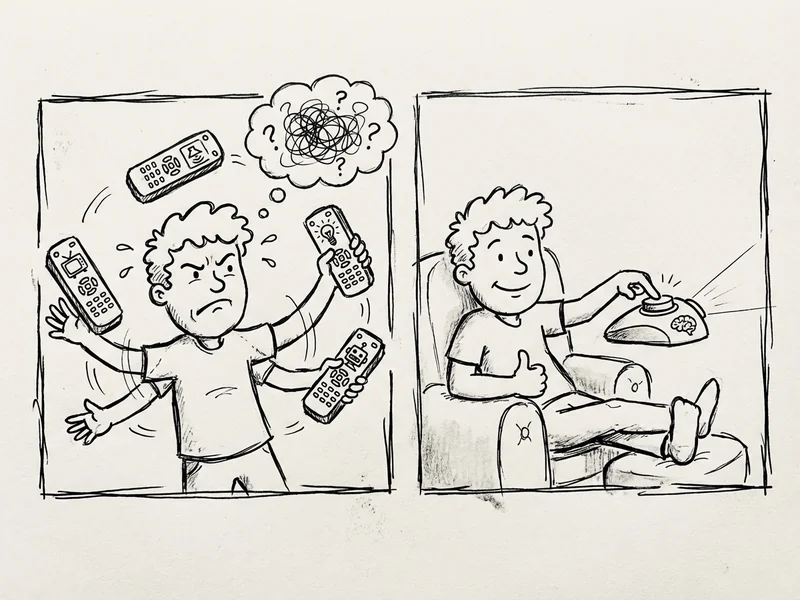
Remember the old days of ChatGPT? (By “old days” I mean like three months ago.) You had to pick which model to use. GPT-4o for quick stuff. O3 for reasoning. O4-mini for... honestly, I never figured out when to use that one.
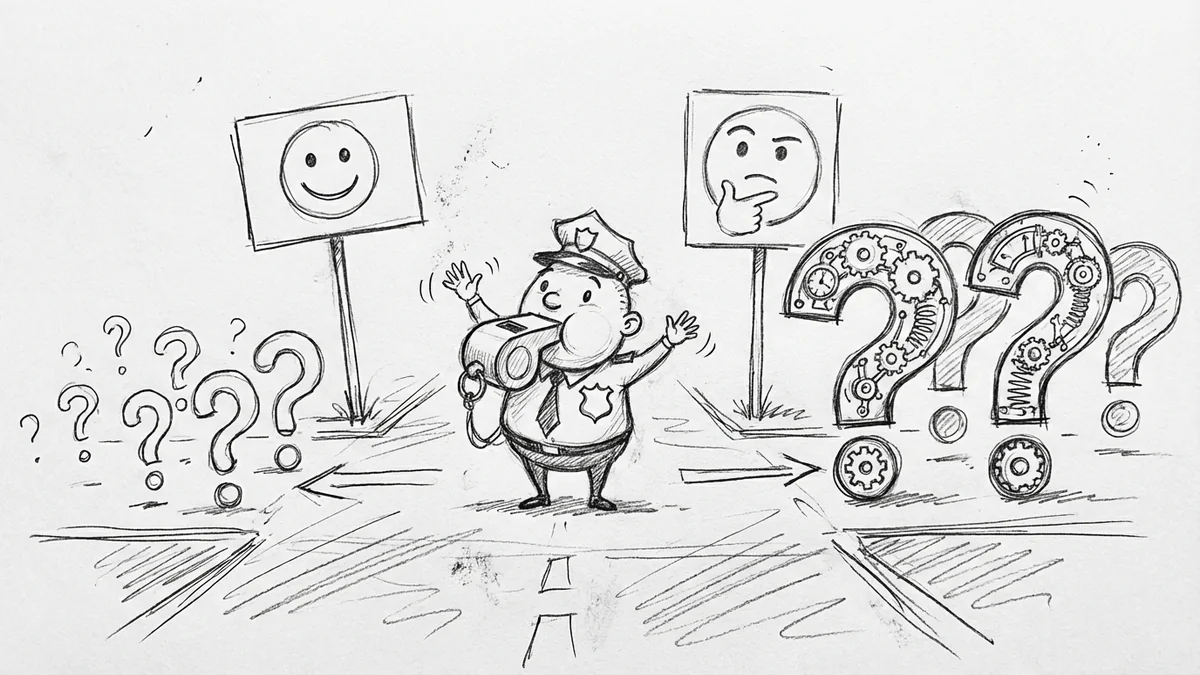
GPT-5 changes this. OpenAI built what they're calling a “unified system” with three parts:
- A fast, efficient model for everyday questions
- A deeper reasoning model (GPT-5 thinking) for hard stuff
- A real-time router that decides which one to use
Think of it like this: instead of you playing IT support for yourself (“should I use the smart model or the fast model?”), the AI figures it out. Ask something simple, you get a quick answer. Ask something complex, it automatically takes more time to think.
You can still force it to think harder by typing something like “think hard about this” in your prompt. But mostly, you just ask your question and let it figure out the approach.
The Numbers That Actually Matter
Let's talk about the specs that are relevant if you're running a business, not trying to pass a PhD exam.
Context window: 400,000 tokens. That's roughly 300,000 words, or about 600 pages. You can dump an entire year's worth of contracts into a conversation and ask questions about them. This is genuinely useful if you deal with lots of documents.
Hallucinations down significantly. OpenAI claims GPT-5 is ~45% less likely to make stuff up compared to GPT-4o. When it uses its “thinking” mode, that drops even further—about 80% fewer factual errors than the previous reasoning model (o3).
That sounds great, and the improvement is real. But “80% fewer errors” still means errors happen. Don't use it to fact-check your tax return without double-checking.
It's faster and cheaper to run. 50-80% fewer tokens to get the same quality answers compared to o3. Translation: it costs OpenAI less, which theoretically means it costs you less (or at least doesn't cost more).
The Benchmarks (And Why I Don't Care That Much)
OpenAI released the usual impressive numbers. 94.6% on AIME 2025—that's a brutally hard math competition. 74.9% on SWE-bench—a coding benchmark where it has to fix real bugs from GitHub.
These numbers are impressive. They're also mostly irrelevant to whether you should use it to draft your next email or help plan your marketing calendar.
Benchmarks are like restaurant awards. A Michelin star tells you the chef can do fancy things with foam and tweezers. It doesn't tell you if the burger is good.

My Honest Take After Two Weeks
Here's the thing OpenAI won't tell you: GPT-5 is good. It's noticeably better than GPT-4o in many ways. But it's not the revolution the marketing suggests.
What it's actually good at:
- Deep planning and analysis. When I need to think through a complex project—like mapping out a content strategy or analyzing a business problem from multiple angles—GPT-5 thinking mode is genuinely helpful. It considers more possibilities and catches things I'd miss.
- Long documents. That 400K context window is the real upgrade. I can throw an entire proposal plus all the supporting documents into one conversation and ask questions. No more “sorry, I don’t have context about that.”
- Coding. For debugging and writing code, it's noticeably more reliable. Fewer stupid mistakes.
Where it's still... just okay:
- Day-to-day writing. For emails, quick summaries, basic content—it's fine, but not dramatically better than what we had before. I'm still doing the same amount of editing.
- Creative work. It's less sycophantic than GPT-4o (it won't tell you every idea is brilliant), but it's also a bit... dry. The writing comes out competent but not particularly inspired.
OpenAI tends to overhype these releases. The reality is more incremental than revolutionary. GPT-5 is better. It's not “everything changes now” better.

What This Costs
Free users get access to GPT-5, which is nice. You'll hit usage limits faster, and then it drops you to “GPT-5 mini” (a smaller, faster version), but you can actually try the new model without paying.
ChatGPT Plus is still $20/month. You get more messages and priority access. For most small business owners, this is probably the sweet spot.
ChatGPT Pro is $200/month. This gets you “GPT-5 Pro” which thinks even longer and harder. Unless you're doing serious research or development work, you probably don't need this.
My recommendation: try the free version first. If you find yourself constantly hitting limits, upgrade to Plus. Don't touch Pro unless you have a very specific use case that demands it.
One More Thing: That Knowledge Cutoff
GPT-5's training data stops at September 30, 2024. For anything after that, it relies on web search.
This matters less than it used to—the web search integration is pretty good now. But if you're asking about something that happened in the last year, be aware it's searching the web, not recalling from memory. Sometimes that means slower answers. Sometimes that means it can't find what you're looking for.
Bottom Line
GPT-5 is a solid upgrade. The unified model approach means you don't have to think about which AI to use—you just use ChatGPT and let it figure out the rest. The bigger context window is genuinely useful for document-heavy work. The reduced hallucinations are real, even if they're not zero.
But this isn't the moment where AI gets so good you can hand it your business and walk away. It's still a tool that requires you to check its work, guide it in the right direction, and know when to step in.
If you're already using ChatGPT, you'll notice improvements. If you've been skeptical, this probably won't change your mind. And that's fine—use what works for you.
For what it's worth, I still use Claude as my daily driver for most tasks. I find it better at understanding what I actually mean, not just what I literally said. (If you're curious why, I wrote about when to use which AI.) But for deep planning and working through complex problems? That's where GPT-5 thinking mode earns its keep.
What This Means for Your Business
If you're a small business owner wondering whether to care about this:
- Try the free version. Seriously, just try it. Ask it something you'd normally Google.
- The model-picking problem is solved. You no longer need to know which model to use. That's a genuine quality-of-life improvement.
- Don't believe the hype, but don't dismiss it either. AI is getting better. Incrementally, not magically. That's actually how most useful technology works.
And if you're still confused about where AI fits into your workflow, let's talk. Not with ChatGPT—with someone who can look at your actual business and give you straight answers.