
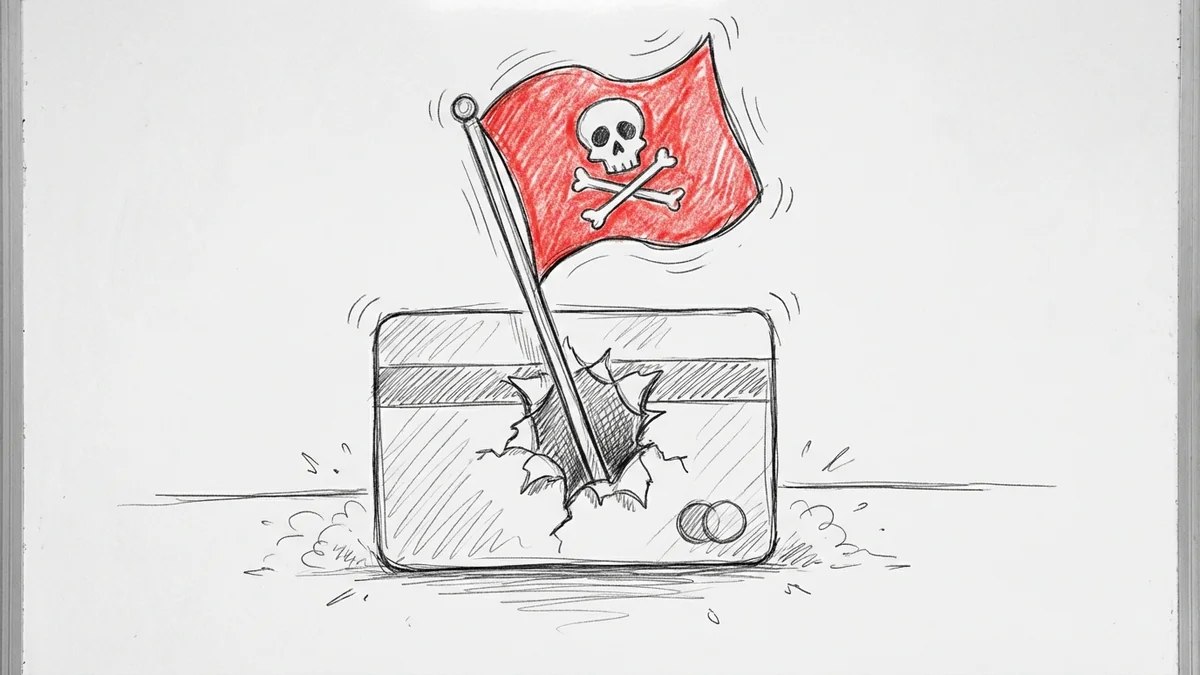

So here's the scenario. You're at work, it's the week before Thanksgiving, and you get an email from your boss:
"Hey, I need a quick favor. Can you run out and grab some gift cards for the team holiday party? Get five $100 Apple cards and text me the numbers on the back. I'll reimburse you. Don't mention this to anyone—it's a surprise!"
Feels urgent. Feels reasonable. It's the holidays, right? People buy gift cards for parties all the time.
Except that's not your boss. It's a scammer. And the moment you text those gift card numbers, your money is gone.
This Scam Is Bigger Than You Think
This isn't some rare thing that happens to gullible people. (We wrote about how AI is supercharging these scams—it's getting worse.) Gift card fraud cost $217 million in 2023 alone. And that's just the gift card piece.
The bigger category—what the FBI calls "Business Email Compromise"—hit $2.77 billion in losses in 2024. That's billion with a B. The average loss per incident? About $129,000.
Here's the kicker: nearly 38% of business email scams in early 2024 involved gift cards. It's not just the most common method—it's the scammer's favorite because it's fast, anonymous, and basically impossible to reverse.
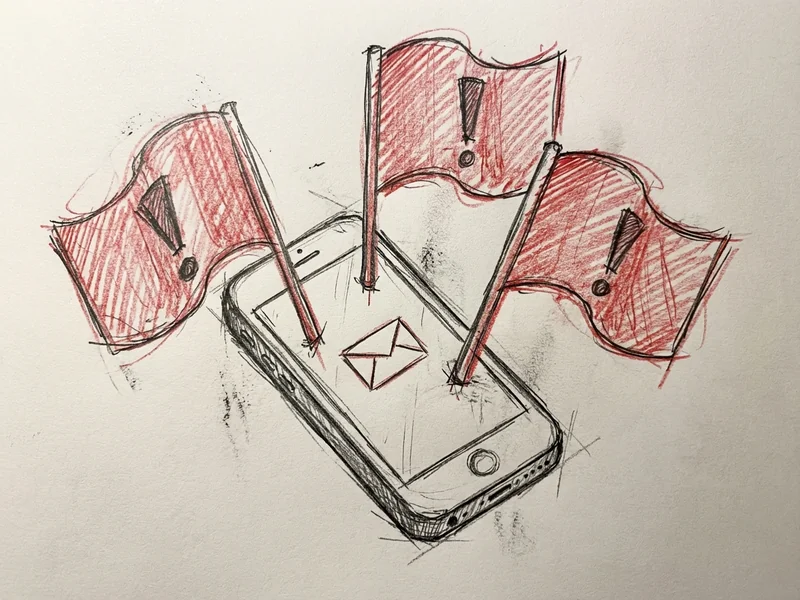
Why the Holidays Make It Worse
The BBB specifically warns about the holiday twist: scammers impersonate your boss asking for gift cards for a "holiday party" or to "donate to a cause." The timing is perfect—everyone's distracted, everyone's buying gifts anyway, and "surprise party" requests seem normal.
The scammer is counting on you being:
- Busy – You're trying to wrap up projects before the break
- Eager to help – Your boss asks, you want to look responsive
- Not suspicious – Holiday parties are a real thing
Add remote work to the mix—you can't just walk to your boss's office to verify—and it's a perfect storm.
The Red Flags (Know These)
The FTC has been warning about this exact scam for years. Here's what to watch for:
1. It's urgent.
"I need this right now." "I'm in a meeting." "Can you do this today?" Scammers create urgency so you don't have time to think.
2. They want secrecy.
"Don't tell anyone—it's a surprise!" This isn't about keeping the party secret. It's about keeping you from checking with anyone else.
3. The email looks slightly off.
Check the actual email address, not just the display name. It might be [email protected] instead of your company domain. Or [email protected] instead of @company.com. One character off is all it takes.
4. They want specific gift card brands.
Apple cards are far and away the most popular for scammers, followed by Target, eBay, Walmart, and Amazon. Scammers like cards that can be resold or redeemed quickly online.
5. They want the numbers, not the card.
If your boss actually wanted gift cards for a party, they'd want the physical cards. Scammers want you to scratch off the back and send the code. That's the only part they need to drain the value.

The One Rule That Stops This Scam Cold
Here it is, straight from the FTC: "Gift cards are for gifts, not for payments."
That's it. That's the whole thing.
No legitimate business asks you to pay with gift cards. No real boss asks you to buy gift cards and send the codes. No government agency, no vendor, no IT department, nobody.
If anyone—anyone—asks you to buy a gift card as a form of payment, it's a scam. Full stop. No exceptions.
What to Do If You Get One of These
The FTC's advice is simple: verify using a known number. (Same rule applies to IRS phishing emails—when in doubt, verify through a trusted channel.)
Call your boss. Not on a number from the suspicious email—on a number you already have. Text them. Walk to their office. Slack them. Whatever method you'd normally use.
"Hey, did you just email me about gift cards?"
That one question kills the scam instantly.
If you can't reach them? Ask a coworker. "Did you get a weird email from [boss] about gift cards?" If multiple people got it, that's your answer—it's a scam hitting everyone at once.
If you're still not sure? Just wait. If it's real, your boss will follow up. If it's a scam, the scammer will get more aggressive and impatient—which only confirms it.
If You Already Bought the Cards
Here's the hard truth: once you share those gift card numbers, the money is usually gone. Scammers drain them within minutes.
But act fast anyway:
- Call the gift card company immediately. Apple, Target, whoever. Tell them the card was used in a scam. Sometimes—rarely—they can freeze it.
- Report it to your company. Your IT or finance team needs to know. Other employees might be getting targeted too.
- Report it to the FTC. Go to ReportFraud.ftc.gov. It helps them track patterns and warn others.
- Don't beat yourself up. This scam works because it's designed to work. Smart people fall for it every day—that's why it's a $2.77 billion problem.

Tell Your Team
Gift cards are the top payment method for scams impersonating "people you know"—bosses, coworkers, grandkids. The holidays make everyone a target.
Share this with your team. Mention it at your next meeting. Put a note in Slack.
Something simple like: "Reminder: I will never ask you to buy gift cards. If you get an email that looks like it's from me asking for gift cards, it's a scam. Call me to verify."
That one sentence from a manager could save someone from losing hundreds of dollars—and feeling terrible about it.
The Bottom Line
If your boss texts asking for Apple gift cards, it's not your boss. If your "CEO" emails you about an urgent holiday surprise, it's not your CEO. If anyone asks you to pay for anything with gift cards, it's a scam.
Cybercrime cost over $16.6 billion in 2024. Don't become a statistic.
One phone call to verify. That's all it takes.
What YouGrow Does Differently
Your website won't ask anyone for gift cards—but it should protect your business in other ways. At YouGrow, I build sites that are secure by default (SSL, secure forms, regular updates) and help your legitimate customers find and trust you.
Got questions about keeping your business secure online? Let's talk. No gift cards required—just a conversation.